Stepping into the vibrant lands of North Africa feels like walking through the pages of a living history book. This region has long captivated travelers with its golden dunes, bustling souks, and ancient mountain passes. Many curious visitors often ask who discovered morocco, yet the answer is far more complex than a single name or date.
The story of this nation is a tapestry woven by many civilizations over thousands of years. From the early Berber tribes to the influence of Phoenician traders and Roman settlers, each group left a unique mark on the landscape. Exploring the true origins of this land allows us to appreciate the rich cultural heritage that defines the country today.
We invite you to join us on a journey back in time. By examining the early narratives of the moroccan discovery, we can better understand how these ancient roots evolved into the modern, welcoming culture we enjoy today. Whether you are a history enthusiast or a casual traveler, there is always something new to learn about this enchanting corner of the world.
The story of Morocco begins long before any maps were drawn by foreign explorers. When people ask who discovered Morocco, they often overlook the fact that the land was never truly waiting to be found. It was already home to vibrant, thriving communities that had established deep roots in the region for thousands of years.
The true original inhabitants of this land are the Amazigh people, often referred to as Berbers. These indigenous groups built complex societies, developed unique languages, and mastered the challenging landscapes of North Africa. Their presence defines the very essence of early morocco history, proving that the region possessed a rich cultural identity long before external powers arrived.
By shifting our perspective away from the traditional concept of discovery, we gain a better understanding of morocco origins. Instead of looking for a single moment of arrival, we should focus on the long-standing settlement patterns that shaped the nation. These ancient societies laid the groundwork for the traditions and social structures that still influence the country today.
Archaeological evidence confirms that these early populations were highly skilled in agriculture and trade. They navigated the mountains and the coast with ease, creating networks that connected their communities. This deep connection to the land remains a central pillar of the national identity, highlighting a history that is both ancient and enduring.
The arrival of Roman administration marked a pivotal chapter in the long and complex morocco history. As the empire expanded its reach across North Africa, it established the province of Mauretania Tingitana. This strategic move brought the region under the direct influence of Rome, forever changing its political and social structure.
When examining the historical discovery of morocco through a Roman lens, we see a land undergoing rapid modernization. The Romans introduced advanced administrative systems that organized the local population and resources. These changes allowed the region to function as a stable and productive part of the vast empire.
The landscape itself began to shift as Roman engineers constructed an impressive network of roads and cities. These infrastructure projects were essential for connecting remote areas to the bustling Mediterranean trade routes. By facilitating the movement of goods and people, these developments turned the province into a vital economic hub.
Today, the ruins of ancient cities like Volubilis stand as a testament to this era of morocco history. These sites showcase the architectural mastery that the Romans brought to the region. The integration of these local territories into the Roman world left an indelible mark that still influences the country’s cultural identity.
A new era dawned for the region when Islamic influence began to spread across the Maghreb, sparking the rise of powerful local dynasties. This transformative period introduced fresh religious, cultural, and political frameworks that replaced older systems. These changes laid the foundation for a distinct national identity that continues to define the country today.
As these early dynasties consolidated their power, they focused on building a centralized state. This era was marked by a surge in intellectual curiosity and the construction of grand monuments. The leaders of the time prioritized scholarship, which helped turn the region into a vibrant center for learning and trade.
One of the most significant achievements of this period was the founding of major imperial cities. Among these, the historic city of Marrakech stands out as a testament to the ambition of the early rulers. It quickly evolved into a vital hub that connected diverse trade routes and attracted scholars from across the globe.
The growth of Marrakech symbolized the region’s transition into a sophisticated center of power. This development fostered centuries of architectural innovation and intellectual progress. By blending local traditions with new Islamic influences, the dynasties created a unique cultural legacy that remains a cornerstone of the nation’s heritage.
During the height of its influence, Morocco became the essential bridge between sub-Saharan Africa and the Mediterranean. This era transformed the region into a central node for vast trans-Saharan trade networks. The constant exploration of morocco by merchants and scholars alike helped solidify its reputation as a wealthy and sophisticated power.
Trade was the lifeblood of this period, driven by the exchange of precious gold, salt, and exotic spices. These commodities brought immense riches to the ruling dynasties, allowing them to fund grand architectural projects and support the arts. As wealth flowed into the cities, the nation flourished as a primary center of global commerce.
Beyond the material gains, these routes served as pathways for diverse cultures and ideas to meet. The ongoing exploration of morocco ensured that the country remained a vibrant crossroads where travelers from different backgrounds could share knowledge. This unique blend of influences helped shape the identity of the region, leaving a lasting legacy that still resonates in its traditions today.
The strategic location of Morocco eventually drew the gaze of ambitious European nations seeking to expand their influence. As maritime technology improved, the Mediterranean became a busy highway for trade and diplomacy. This shift in power dynamics made the exploration of Morocco a priority for kingdoms looking to secure new routes and resources.
To understand this period, we can look at a general morocco exploration timeline. During the 15th and 16th centuries, Portuguese and Spanish interests dominated the coastal regions. These powers established fortified trading posts, which served as the primary hubs for their interactions with local leaders.
The early exploration of Morocco was not merely about discovery but about establishing a firm foothold in a region of great strategic value. European monarchs sent envoys to negotiate treaties, hoping to gain favorable trade terms for gold, sugar, and textiles. These diplomatic missions often masked deeper intentions to control the flow of goods across the Sahara.
As these external pressures mounted, the local political landscape began to shift in response. The exploration of Morocco forced regional dynasties to adapt their defense strategies to protect their sovereignty. This delicate balance between welcoming trade and resisting foreign control defined the complex history of the era.
Marrakech became the beating heart of a kingdom defined by its fierce independence and cultural pride. During the rise of the Saadian Dynasty, the nation faced constant pressure from both internal rivals and aggressive colonial powers. These rulers understood that maintaining control required a blend of military strength and strategic diplomacy.
To secure their borders, the Saadians implemented rigorous defense policies that kept foreign threats at bay. They navigated a landscape of regional instability with a clear vision for a unified state. This period of history remains a testament to the resilience of a people determined to chart their own path.
Beyond the battlefield, the dynasty invested heavily in the aesthetic development of their capital. The city of Marrakech was transformed into a center of art and architecture that reflected the power of the throne. Iconic landmarks built during this era continue to draw visitors from across the globe today.
These architectural achievements served as a symbol of the nation’s prosperity and stability. By blending beauty with defensive infrastructure, the Saadians ensured that their legacy would endure for centuries. The cultural flourishing seen in Marrakech during this time highlights a golden age of strength and creative expression.
Since the 17th century, the Alaouite Dynasty has steered Morocco through centuries of complex international relations. This ruling house established a foundation for national unity that remains central to the country today.
The dynasty focused on maintaining sovereignty while engaging with various European powers. By balancing trade interests and political alliances, they successfully navigated the shifting tides of global influence. Cities like Marrakech served as vital hubs during this era, acting as centers for both political administration and cultural growth.
Governance under the Alaouites evolved to meet the demands of a changing world. They prioritized internal stability to protect the nation from external pressures. This strategic approach allowed the kingdom to preserve its unique identity throughout the centuries.
The cultural significance of Marrakech continued to flourish under this long-standing leadership. It remained a place where tradition met the needs of a modernizing state. Through this careful management, the dynasty ensured that the spirit of the nation stayed intact for future generations.
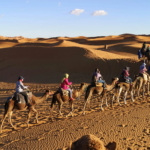
Today, the Kingdom of Morocco stands as a premier travel hub that perfectly balances its rich heritage with contemporary comfort. Visitors no longer follow the arduous paths of ancient caravans, yet they still seek the same spirit of discovery that defined the region for centuries. This shift has turned the nation into a top destination for those who value both history and modern convenience.
The evolution of tourism in this region focuses on creating meaningful connections between guests and local traditions. Companies like amodo tours have become essential in this process by offering curated experiences that prioritize sustainability. By choosing these services, travelers can explore the country in a way that respects the environment and supports local communities.
Modern travel paths now allow visitors to move seamlessly from bustling city markets to quiet, remote landscapes. This accessibility ensures that the deep cultural roots of the country remain visible to everyone who visits. It is a unique opportunity to witness how a nation preserves its identity while welcoming the world.
Authentic engagement is at the heart of this new era of exploration. Through the guidance of experts like amodo tours, travelers gain insights that go beyond the surface of typical tourist sites. This approach bridges the gap between the storied past and the vibrant, living culture of today.
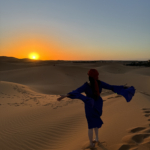
The Sahara remains a timeless landscape that continues to inspire awe in all who visit. This vast desert is not just a collection of sand, but a place where the silence speaks volumes. Many modern travelers seek out this environment to escape the noise of daily life and reconnect with nature.
One of the most iconic destinations is the stunning Merzouga Erg Chebbi. These towering golden dunes change color with the rising and setting sun, creating a visual masterpiece. Visitors often find that climbing these peaks provides a unique perspective on the sheer scale of the desert.
For those who prefer a more secluded journey, the remote dunes of Erg Chigaga offer a serene escape. This area is far from the beaten path, allowing for a deeper sense of solitude under the vast desert sky. The shifting sands here create a landscape that feels both ancient and constantly new.
Navigating these expansive regions requires local knowledge and expertise. By choosing to travel with professionals like amodo tours, visitors can explore these environments safely while gaining insight into nomadic traditions. These guides help bridge the gap between the modern traveler and the rich history of the desert people.
Exploring the Sahara creates a profound physical and spiritual connection for many people. The rhythmic pace of life in the dunes encourages reflection and mindfulness. It is an essential experience for anyone looking to understand the true heart of the Moroccan wilderness.
Morocco stands as a bridge between ancient traditions and the modern world. Every corner of this nation tells a story of resilience and cultural fusion.
The layers of history left by various dynasties create a unique atmosphere for every visitor. You can see this blend in the architecture of Marrakech or the quiet streets of Chefchaouen. These places offer more than just a view; they provide a window into a complex past.
Understanding the origins of this land changes how you experience its beauty. A trip through the Sahara or a walk through a bustling souk becomes a deeper encounter with human heritage. You are not just a tourist when you learn the history of the people who shaped these lands.
We invite you to keep exploring the wonders of this North African gem. Whether you seek the silence of the desert or the energy of the cities, the spirit of the country remains waiting for you. Pack your bags and prepare to uncover the secrets that make this destination truly unforgettable.


Do not hesitage to give us a call. We are an expert team and we are happy to talk to you.
+212 698‑936726
Amodotomorocco@gmail.com