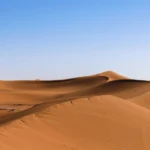
Drâa Valley showcases an incredible landscape, where golden dunes meet lush palm groves. This stunning area has sustained life for centuries, offering a glimpse into the resilience of nature and humanity. Mhamid el Ghizlane serves as the last stop before the vast Sahara Desert. Here, the paved road disappears, giving way to endless sandy expanses.
For over 1,500 years, generations have thrived in this unique ecosystem. They have cultivated a sophisticated agricultural system beneath the shade of towering date palms. This oasis is not just a geographical feature; it represents a living history of human ingenuity and adaptation.
Despite facing significant challenges from climate change, the area remains a place of profound beauty. Visitors are drawn to its stark contrasts and rich cultural heritage. This guide will help you navigate this remarkable destination responsibly, ensuring that your experience is both meaningful and supportive of local preservation efforts.
As you journey south from the majestic Atlas Mountains, the stark beauty of Drâa Valley unfolds before you. This area, where the desert meets life, holds significant cultural and ecological value. The oasis stretches along the Drâa River, acting as a vital green artery in an otherwise arid landscape.
The town of Mhamid el Ghizlane serves as a unique transition point. Here, the paved road ends, and the vast Sahara begins. This threshold is not just a geographical marker; it represents a timeless connection between the people and their land.
Diving into the historical background, we find roots tracing back to the fifth century. Early agricultural communities cultivated this land, developing oases that would support life for centuries. The story of these people is intertwined with the growth of Saharan trade, connecting places like Marrakech and Timbuktu.
As the oasis flourished, it became a crucial stop for traders. Salt, gold, and textiles flowed through these routes, enriching the local culture. The tales of Halim Sbai, a local resident, echo memories of a greener time when the river was full and palm groves flourished.
This history matters today. Modern challenges threaten to erase centuries of human ingenuity and tradition. The date palm, a keystone species, continues to anchor life here, providing essential resources for the community and the ecosystem.
In the heart of the desert, a lush environment flourishes, revealing the wonders of biodiversity. This intricate ecosystem thrives on the relationship between date palms and the people who cultivate them. The date palm stands as a keystone species, providing essential resources and shelter for other plants.
The thick fronds of the date palm’s crown create a shady canopy, protecting other species from the harsh sun. This tree produces valuable dates, while its presence fosters a microclimate that supports various crops. Underneath the palms, fruits, olives, and henna trees thrive, benefiting from the shade and humidity.
This oasis features a remarkable three-tiered agricultural system. Towering date palms form the upper layer, while fruit and olive trees occupy the middle. At ground level, crops like beans, wheat, barley, and alfalfa grow, shielded from wind and sand.
This layered approach not only regulates temperatures but also creates a humid environment. Such conditions allow diverse crops to flourish, even in limited land. Farmers have mastered this balance, working together to sustain their community.
Water is crucial for the oasis’s survival. Ancient geometric irrigation channels have been dug to siphon river water into the palm plantations. These channels are vital for maintaining the health of the ecosystem.
Historically, farmers collaborated to maintain these systems, ensuring a balance between human needs and nature’s limits. As Professor Mohamed Ait-El-Mokhtar notes, the date palm is “the umbrella” of this ecosystem. Sustaining the palm means preserving the entire habitat.
With a rich harvest of dates and other produce, this oasis has supported local communities for centuries. It stands as a true agricultural marvel, showcasing the harmony between people and nature.
In the embrace of towering palms, the daily lives of people tell a story rich in heritage and resilience. For thousands of years, communities have thrived in this unique environment, developing intricate systems of agriculture and social structure. These traditional communities have preserved a nomadic heritage that stretches back centuries.
Meet the people who call this vibrant oasis home. Farmers diligently tend to their date palms, ensuring a steady supply of dates that nourish both the body and the economy. Musicians, too, keep ancient rhythms alive under the vast desert sky, celebrating their cultural roots through song and dance.
Cultural festivals, such as the Zamane Festival, bring together diverse musical traditions. Here, the hypnotic melodies of Ahidous, Gnawa, and Chamra styles fill the air, captivating visitors and locals alike. This celebration showcases the rich tapestry of life that exists within the palm groves.
At the heart of this cultural revival is the Joudour Sahara music school, co-founded by Halim Sbai. Children attend weekly classes, learning to celebrate and preserve the story of their ancestors through music. This initiative has fostered a renewed appreciation for traditional art forms and has become a cornerstone of community identity.
Marvel at the architectural wonders that dot the landscape. Ksars and casbahs, built from rammed earth, rise from the groves like sandcastles frozen in time. These fortified homes reflect a building tradition perfectly adapted to the desert’s extreme temperatures, showcasing the ingenuity of the people.
Explore the town’s mosques and mud-brick walls, which stand as a testament to the rich history and culture of the area. Gather around a fire at night, as Halim Sbai does with his guests, sipping tea poured by a Tuareg guitarist. This moment encapsulates the deep connection between people and place.
Life in the oasis is woven from shared resources and communal effort. It reflects a profound respect for the land that sustains it, ensuring that traditions continue to thrive amidst the palm groves.
In recent years, this oasis has faced mounting challenges that threaten its very existence. Climate change is reshaping the landscape, leading to significant environmental issues. The impacts are felt deeply by both nature and the local communities that depend on it.
Desertification is a pressing concern, as encroaching sand claims over 300 feet of land annually. Once-fertile groves are turning into barren dunes, leaving behind a stark reminder of the changes. The Drâa River, once a lifeline, has dwindled to a dry riverbed.
Rainfall is projected to decrease by up to 50 percent in the coming years. This decline poses a serious threat to the delicate balance of life in the area. Without sufficient water, the lush landscape that supports the date palms and other crops is at risk.
As water resources dwindle, the agricultural sector suffers. Farmers like Abdelkarim Bannaoui have to dig deeper wells to find water, increasing from 23 feet in 1996 to 52 feet today. The yields of dates and other fruits are falling, affecting local economies.
With fewer resources, many families struggle to maintain their livelihoods. The once-thriving fields of olive and fruit trees are disappearing, further threatening the community’s way of life.
Over the past 20 years, the local population has decreased by a fifth. Young people are leaving the area in search of better opportunities elsewhere. This migration creates challenges for the aging population left behind.
61-year-old farmer Abdelaali Lahbouch now finds himself alone, as his three sons have moved away. The loss of younger generations accelerates the oasis’s decline, making it harder to care for the palm trees and irrigation channels.
As neglected channels fill with sand, abandoned homes crumble into the encroaching dunes. The struggle to maintain this vibrant community continues, but the future remains uncertain.
As challenges mount, local communities are finding creative solutions to preserve their cherished environment. Innovative practices are breathing new life into the oasis, proving that hope and ingenuity can push back against the desert.
One significant advancement involves the use of solar pumps and drip irrigation. These innovations allow for more efficient water usage, minimizing waste. Pipes now snake across vegetable beds, replacing traditional flood methods that consumed excessive water.
Halim Sbai has established a laboratory of pilot projects on a two-acre plot at the town’s edge. Here, he aims to hold back the desert and retain water. Waterboxxes, circular planters designed by Dutch horticulturalist Pieter Hoff, nurture young acacia and tamarisk trees. These planters significantly reduce the water needed for saplings, creating a green barrier against encroaching sand.
Shifting toward community water management, Halim advocates for shared solar pumps. He emphasizes that “in nomadic culture, you need to share everything.” This collective approach strengthens the sense of responsibility among residents. Morocco’s National Agency for the Development of Oasis Zones is also installing communal wells, ensuring equitable access to water for all.
Cultural preservation plays a vital role in maintaining community ties. The Joudour Sahara music school connects young people with their heritage, providing them a reason to stay. Festivals like the Zamane Festival celebrate local traditions, where hundreds of musicians gather under the sun and stars, transforming the oasis into a vibrant hub of creativity.
Recognizing that saving the oasis means more than just protecting palm trees is essential. It involves nurturing the human spirit through music, education, and shared purpose. Even as the threat of fire from wildfires looms, the community remains resilient, working together to protect their land and way of life.
Visitors can immerse themselves in the breathtaking landscapes and rich culture surrounding this unique town. Mhamid el Ghizlane serves as a gateway to adventure, offering numerous ways to explore its stunning environment.
Travelers can wander through lush palm groves or venture out in a 4×4 car across rugged terrain. The journey through this area reveals a landscape where the desert meets vibrant life. Exploring the crumbling ksar adds a historical touch to your adventure.
Outdoor enthusiasts will find plenty to do here. Camel treks follow ancient caravan routes, allowing you to experience the desert like the nomads of old. Camping under a starry sky provides a magical experience, while sandboarding down towering dunes adds a thrill to your trip.
For an authentic experience, stay in a traditional guesthouse or auberge. Sip mint tea with families who have lived in this town for generations. Timing your visit for spring allows you to join the International Festival of Nomads, a vibrant celebration of music, dance, and camel races.
As you plan your trip, consider the journey to Erg Chigaga’s remote dunes. This adventure requires a 4×4 journey across rocky hammada, salt flats, and fossil beds. Remember to bring plenty of water, sun protection, and a sense of adventure.
Ultimately, the journey itself is part of the adventure. Embrace the bumps, the vastness, and the warm welcome that awaits beyond the mountains.
Exploring oases worldwide uncovers the rich diversity of life and culture that flourishes in arid regions. Each oasis has its own story, shaped by geography, climate, and the people who call it home. Among these, the oasis in Drâa Valley stands out for its unique features and cultural significance.
Located in Rub Al Khali, Al Ahsa Oasis is a UNESCO World Heritage Site recognized in 2018. Strong ancient winds carved the region, revealing hidden water sources. This oasis supports vast date palm groves, with dozens of date varieties, including rutab, known for their sunny yellow hue.
Al Ahsa’s cities, Hofuf and Mubaraz, came under Ottoman control in the 16th century. This history is reflected in grand architecture, such as Ibrahim Palace, showcasing the region’s rich past.
In contrast, Moroccan oases, particularly those in the Drâa Valley, feature a remarkable three-tiered agricultural system. This system maximizes water and land use, allowing diverse crops to thrive in harsh conditions. The culture here is deeply tied to the land, with traditions like Gnawa music and communal water management reflecting a strong connection to the environment.
World Heritage recognition is vital for preserving these unique ecosystems. Morocco’s oases deserve similar status to protect their fragile environment for future generations. The cultural richness and history of these places highlight the importance of conservation efforts.
Both Al Ahsa and Moroccan oases offer lessons in how people and nature coexist. While Al Ahsa thrives on ancient springs, the Drâa Valley once depended on a flowing river and snowmelt from the Atlas Mountains. Visiting both places provides a profound understanding of the resilience of life in arid landscapes.
Wandering through this lush paradise invites a deeper understanding of the relationship between the people and their land. Supporting this fragile ecosystem is essential as it stands on the edge of irreversible change. Every visit can provide economic opportunities, encouraging young people to remain and preserve their homes.
Opt for sustainable travel choices. Stay in guesthouses, enjoy camel treks, and engage in cultural exchanges. Spend your days exploring palm groves that offer shade from the desert’s intense temperatures.
By supporting community initiatives like the Joudour Sahara music school, your presence helps fund education and keeps ancient rhythms alive. Savor fresh dates and locally grown produce, knowing that sustainable agriculture thrives with travelers who value quality.
Reflect on Halim Sbai’s words under a star-filled sky: “We are the luckiest people on Earth.” Your journey contributes to a story of resilience and hope. Plan your trip today, as the road to this enchanting place is still open, and the welcome is as warm as the sun setting behind the mountains.

Do not hesitage to give us a call. We are an expert team and we are happy to talk to you.
+212 698‑936726
Amodotomorocco@gmail.com