Welcome to your seasonal guide, brought to you by Amodo Tours. This resource aims to help you find the perfect moment for your journey in this captivating country. With its stunning landscapes, Morocco offers a variety of experiences throughout the year.
From the snow-capped peaks of the High Atlas Mountains to the warm sands of the Sahara, each season brings its own charm. The months from October to April attract many travelers seeking mild weather. In contrast, the summer months see bustling activity along the coast.
Planning your trip involves considering what you want to experience. Whether you’re interested in vibrant cultural festivals or serene mountain hikes, this guide will provide insights into Morocco’s diverse climate. By understanding seasonal changes, you can make informed decisions for your travel dates.
Let Amodo Tours assist you in crafting an unforgettable journey. We are here to ensure your adventure aligns perfectly with your travel dreams.
Discover the seasonal shifts in Morocco, where the climate shapes unforgettable experiences. This country is home to remarkable geographical diversity. You can find Mediterranean breezes, arid desert heat, and alpine snow all within its borders. Understanding how the landscape influences local weather conditions is essential for planning your adventure.
The northern and northwestern regions enjoy a classic Mediterranean climate. This means mild, wet winters and warm, dry summers. In contrast, the central inland areas experience arid, continental conditions. Here, temperatures can soar dramatically, often reaching the high 90s.
As you move south to the Sahara Desert, expect extreme temperature swings between day and night. Most desert camps close from June through August due to unbearable heat. The High Atlas Mountains create distinct climate zones, offering snow-covered peaks suitable for skiing in winter.
Coastal areas along the Atlantic benefit from cooling ocean breezes. The Canary Current keeps temperatures comfortable even during the hottest summer months. However, fog and mist can roll in unexpectedly, adding to the region’s charm.
Morocco’s seasonal patterns divide into four distinct phases. Spring, from March to May, is mild and green. Summer, from June to September, is hot and dry. Autumn, from September to November, brings pleasant and temperate weather. Finally, winter, from December to February, can be cool and sometimes wet.
Rainfall is most common between November and February, especially in the northern regions. Some winters can be surprisingly moderate and dry, while others bring persistent cold and wet conditions. The shoulder months of April, May, October, and early November are widely regarded as the most comfortable for travel.
During the Sahara’s dry months, sandstorms can occur from January through May. Savvy travelers often wear a Tuareg scarf to protect against blowing sand and intense sun. Understanding these climate patterns helps you choose the right time for your specific interests.
Whether you’re chasing the Atlantic swell for winter surfing or enjoying sunny beach days along the coast in summer, knowing Morocco’s climate is key to a memorable experience.
Experience the vibrant seasons of Morocco, each bringing its own charm and opportunities. The country’s diverse landscapes transform dramatically throughout the year, making it a unique destination for travelers.
Spring, from March to May, is a delightful time in Morocco. March ushers in blooming flowers and lush greenery, thanks to the winter rains. Daytime temperatures typically reach the high 60s, perfect for outdoor activities.
April sees temperatures rise, and longer days allow for more exploration. The vibrant flora against the snow-capped peaks of the High Atlas creates stunning backdrops for photographers. May is particularly favorable for trekking, as the weather is warm but not overly hot. It’s the last chance to explore the Sahara before the intense summer heat sets in.
Summer transforms Morocco into a tale of two climates. From June to August, inland temperatures can exceed 100°F, making it quite hot. However, the Atlantic coast remains a refreshing escape, with cooling breezes keeping temperatures around 80°F.
This season is filled with outdoor music festivals, such as the Gnaoua Festival in Essaouira and the Mawazine Festival in Rabat. Coastal towns like Essaouira and Agadir become popular havens, offering beautiful beaches and water sports.
Fall, from September to November, is arguably the sweet spot for visiting. September offers excellent weather, fewer crowds, and warm, sunny days. This month is ideal for enjoying the beach before the school season kicks in.
October continues the pleasant conditions, perfect for exploring historical sites. The date harvest brings traditional celebrations to life, adding to the local culture. By November, temperatures cool down, creating a cozy atmosphere for café visits.
Winter opens up a different side of Morocco. From December to February, the weather can be cold and wet, especially in the northern regions. Nights can be chilly in riads, and days in the desert are shorter with freezing nights.
The High Atlas peaks are covered in snow, making it a great time for skiing. Additionally, the Atlantic swell is most consistent during these months, attracting surfers to legendary spots like Taghazout and Mirleft.
Explore the diverse regions of Morocco, each offering unique experiences throughout the year. From the vast Sahara Desert to the bustling cities and serene coastlines, every area has its charm. Understanding when and where to go can enhance your journey.
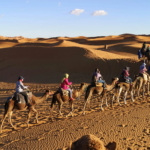
The Sahara Desert is most welcoming during the shoulder months of May and October. Daytime temperatures are comfortable, making it ideal for camel treks and camping under the star-filled sky. However, summer months from June to August see most desert camps close due to unbearable heat.
January brings higher foot traffic as daytime temperatures allow for extended exploration. It’s essential to pack warm layers, as desert nights can be freezing, especially when sleeping under canvas. Be aware that sandstorms can occur from January through May, but local Sahrawis navigate these easily. A traditional Tuareg scarf can help protect against blowing sand and intense sun.
The Atlantic Coast becomes Morocco’s ultimate summer sanctuary. Cities like Essaouira, Agadir, and Dakhla offer refreshing ocean breezes, keeping temperatures around a pleasant 80°F, even when inland cities swelter above 100°F.
Water temperatures along the northern coast reach a delightful 77°F in August. This creates perfect conditions for swimming, stand-up paddleboarding, and enjoying the beaches in calm, lifeguard-protected waters.
The High Atlas Mountains are a true year-round destination. Hiking is world-class from April through June, when trails are lined with blooming wildflowers. The fall months of September through November also offer excellent hiking conditions, with autumn light painting the peaks in golden hues.
In May, the M’Goun Valley bursts into fragrant bloom, hosting the Festival of the Roses. Winter transforms the High Atlas into a snowy wonderland, allowing for skiing at resorts like Oukaimeden and Ifrane. Adventurous souls can trek to the summit of Mt Toubkal, the highest peak in North Africa.
Major cities like Marrakech and Fes are best explored during the mild months of spring and fall. Winter also offers a comfortable experience, with thinner crowds and pleasant temperatures for wandering through the labyrinthine medinas and historic souks.
Coastal cities such as Casablanca and Rabat leverage their Atlantic positions to remain pleasant even in summer. These cities draw huge numbers of visitors who enjoy fresh seafood, stunning Mauresque architecture, and vibrant urban culture without the oppressive inland heat.
Uncover the essence of Morocco through its colorful festivals that showcase the nation’s diverse heritage. Each season offers unique opportunities to experience local culture through music, dance, and community gatherings.
Spring kicks off with the enchanting Almond Blossom Festival in Tafraoute, typically held in February or March. Here, visitors can enjoy delicious local food, traditional Berber folk music, and breathtaking views of pink and white blossoms against the Anti-Atlas landscape.
In March, the International Nomad Festival takes place in the remote Saharan village of M’Hamid El Ghizlane. This event provides a wonderful opportunity to learn about the customs and traditions of nomadic tribes through storytelling, music, and dance.
April brings the Sufi Festival in Fes, where devotees gather for rituals, chanting, and concerts. This deeply spiritual experience attracts visitors from around the world.
Summer is the season for world-class music festivals. In June, Essaouira hosts the legendary Gnaoua and World Music Festival, celebrating the mystical Gnaoua musical tradition. The streets fill with hypnotic rhythms and vibrant energy.
Rabat’s Mawazine festival also occurs in June, drawing massive crowds for an unforgettable celebration of global music across multiple stages. This festival features international superstars and diverse musical genres.
In July, Casablanca transforms into a haven for jazz lovers during Jazzablanca, while the charming town of Asilah hosts its renowned annual art festival, showcasing local and international artists.
Fall traditions include the unique Imilchil Marriage Festival in September, where hundreds of Berber people gather in the Middle Atlas mountains. Dressed in elaborate traditional outfits, they continue an ancient custom of finding a spouse during this communal celebration.
In early May, the Festival of the Roses in M’Goun Valley coincides with the end of the Damascus rose harvest. Visitors can enjoy music, dancing, and the intoxicating fragrance of rose petals being processed into precious rose water and oil.
Winter observances offer a more intimate cultural experience. The lively Amazigh New Year celebrations of Yennayer occur in early January, featuring communal feasts and dancing in the High Atlas.
Ramadan, which varies each year, is a quiet and spiritual time in Morocco. The streets come alive each evening as worshippers break their fast with iftar meals, creating a unique atmosphere for visitors.
Preparing for a journey in Morocco requires thoughtful planning, especially when considering the varying climates. Each season brings unique weather conditions that can greatly influence your experience. Here’s how to get ready for your adventure.
Packing smartly for Morocco means preparing for dramatic temperature shifts. If your trip spans multiple regions, you might need everything from lightweight fabrics for daytime desert heat to warm layers for chilly mountain nights.
For spring and fall travel, versatile layers are essential. Light sweaters, long-sleeve shirts, and a waterproof jacket are recommended, especially if visiting between November and February when rain is likely.
Summer visitors heading inland should opt for the lightest, most breathable clothing. High-SPF sunscreen, a wide-brimmed hat, and UV-protective sunglasses are crucial, as the Moroccan sun can be intense, with temperatures often exceeding 100°F.
Winter travelers should not underestimate the cold. Traditional riads often lack central heating, so thermal base layers, warm socks, and a good-quality insulated jacket are necessary for chilly evenings.
Dressing respectfully is important for a comfortable experience in Morocco. While the country has a relaxed atmosphere, covering shoulders, cleavage, and knees is appreciated everywhere. This is especially true in rural villages and religious sites.
In cosmopolitan cities like Casablanca and Marrakech, smart Western clothing is acceptable. However, looser, more modest styles help you blend in and show cultural respect, often resulting in warmer interactions with locals.
For Sahara Desert excursions, a Tuareg scarf or shemagh is essential. This multi-purpose item protects your face from blowing sand during the sandstorm season from January through May and provides warmth when temperatures drop after dark.
Footwear choices matter greatly in Morocco. Pack comfortable, broken-in walking shoes for navigating uneven medina streets and cobblestones. Sandals are ideal for beach towns, while sturdy hiking boots are necessary for trekking in the High Atlas or Anti-Atlas mountains.
Practical travel tips include starting your days early during summer to avoid the worst midday heat. Always carry a reusable water bottle to stay hydrated and seek refuge in museums, cafes, or traditional hammams during the hottest afternoon hours.
Beachgoers should note that while swimwear is acceptable on the coast and at hotel pools, topless sunbathing is not appropriate. Having a cover-up or kaftan handy for walking to and from the water is both practical and culturally considerate.
Understanding the flow of visitors in Morocco can greatly enhance your travel experience. The country experiences distinct peak periods when popular destinations buzz with energy and prices climb accordingly. Knowing when to go can help you avoid the crowds and enjoy a more relaxed atmosphere.
The peak tourist season runs from October through April. During these months, mild temperatures attract an influx of visitors from the northern hemisphere. This period sees the highest demand for hotels, guided tours, and popular attractions.
The Christmas and New Year holiday window, from December 22 through January 7, represents the most expensive time for a trip. Prices increase significantly, and accommodations in popular hubs like Marrakech book out months in advance. The Easter holidays in April also bring a noticeable rush of tourists, making early reservations essential.
The shoulder seasons of March to early May and September to November offer the best times for a more relaxed experience. These months provide pleasant weather, manageable crowds, and more competitive pricing on accommodations and tours.
September stands out as an excellent month for avoiding crowds while still enjoying great weather. As domestic and international travelers return to school and work after the August holidays, beaches quiet down, and cultural sites become less crowded.
For the most crowd-free experience, consider visiting during November or early December before the holiday rush. Major cities see significantly lower foot traffic, allowing you to explore iconic landmarks with minimal queues.
When planning your trip, it’s wise to reserve accommodations at least three to six months in advance for peak season travel. Being flexible with your dates during shoulder periods can help you find better deals. Always confirm festival dates before finalizing your itinerary, as they can shift year to year.
Travelers can find good value even during busier times by booking riads slightly outside the main medina tourist zones. Traveling mid-week rather than on weekends can also lead to a more enjoyable experience. Winter offers excellent urban exploration opportunities with far fewer visitors at major historical sites.
In Morocco, outdoor enthusiasts can find a variety of activities year-round, each with its unique charm. From majestic mountains to expansive deserts, there’s something for everyone.
The High Atlas Mountains offer hiking opportunities throughout the year. The best conditions occur from April to June and September to November. These months provide mild weather, making it accessible for all fitness levels.
In spring, the Anti-Atlas range becomes a hiker’s paradise. Wildflowers bloom, and the trails are quieter, allowing for peaceful exploration. Winter transforms the High Atlas into a snowy wonderland. Adventurers can ski at Oukaimeden and Ifrane or trek to the summit of Mt Toubkal.
The Moroccan Atlantic coast is renowned for its surfing. The most powerful waves arrive in winter, from December to February. Experienced surfers flock to spots like Taghazout, Mirleft, and Sidi Ifni during this season.
For beginners, the mellower waves from June to November create perfect conditions for learning. Taghazout also hosts an annual surf expo in October and international competitions in January and February, making it a hub for surf culture.
Desert camping in the Sahara is magical during May and October. Daytime temperatures are comfortable, perfect for camel treks, while nights remain cool but not freezing. However, from June to August, most desert camps close due to extreme heat.
Adventure seekers should be mindful of seasonal conditions. Sandstorms can occur from January through May, and winter nights in the desert can be quite cold. Planning ahead ensures a safe and enjoyable experience in this stunning landscape.
Your journey through Morocco awaits, filled with adventures tailored just for you. Planning your trip involves aligning your travel dreams with the right season. Amodo Tours is here to guide you every step of the way with personalized itineraries crafted by local experts.
Whether you dream of hiking through blooming valleys in spring or experiencing the spiritual quiet of Ramadan, timing your visit makes all the difference. Our team takes the guesswork out of planning, matching your interests with the best experiences.
From seamless desert camping expeditions to vibrant festivals, we handle all logistics. This way, you can focus on soaking in the magic of this extraordinary country. Reach out to start a conversation about your dream adventure. The perfect Moroccan experience is waiting for you!
Do not hesitage to give us a call. We are an expert team and we are happy to talk to you.
+212 698‑936726
Amodotomorocco@gmail.com