Welcome to your ultimate guide for planning an unforgettable summer journey. August is the peak of summer, bringing intense heat to many regions. With maximum sunshine hours reaching up to 11 hours daily, it’s crucial to understand the weather before booking your trip.
This guide will walk you through essential details about the weather, regional variations, and practical advice for navigating the summer. Coastal areas provide refreshing escapes from the inland heat, making them popular destinations.
Discover the unique climatic influences that shape the weather during this month. From Atlantic breezes to Saharan winds, these factors create diverse experiences across the country.
We will explore tips on when and where to travel for optimal comfort. Understanding the best times to visit can make all the difference between a challenging experience and a fantastic summer adventure.
Whether you are a first-time visitor or a returning enthusiast, this resource will help you navigate the country with confidence during the hottest time of the year.
A closer look at the various weather patterns showcases the unique character of this beautiful country. The geography plays a vital role in shaping the weather, influenced by the Atlantic Ocean, Mediterranean Sea, mountain ranges, and the Sahara Desert.
This land experiences four distinct seasons. Spring brings delightful sunshine and coastal breezes, perfect for exploring. As temperatures rise on plateaus and mountains, the landscapes bloom with life.
Summer, especially in August, brings the most intense heat. Interior regions can become stifling, while the coast remains more temperate, offering a welcome respite.
Autumn introduces refreshing changes. Strong northwest winds sweep across the north, and the first rains arrive in November, marking the end of the dry season.
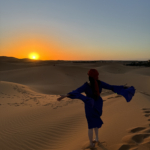
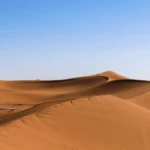
Winter varies significantly. The coast enjoys mild and wet conditions, while the mountains can be cold and snowy. Surprisingly, the desert can be cool at night, with dramatic temperature swings.
The coastal regions benefit from ocean influences throughout the year, making them ideal destinations even during the hottest months. Mountain areas like the Atlas create unique microclimates, where altitude significantly affects temperature and precipitation patterns.
Understanding how geography shapes the weather is crucial for choosing the right month and region for your travel style. The interplay between maritime and continental influences leads to varying rainfall patterns, with the north receiving more precipitation than the arid south.
The month of August showcases the true essence of summer, with its relentless warmth and sunshine. This time of year brings hot and dry weather, making it essential for travellers to prepare adequately.
In northern regions like Tanger and Tétouan, average daytime readings hover around 29°C. These areas experience rare rainfall, allowing for uninterrupted exploration. Coastal cities such as Casablanca and Rabat see slightly higher averages of about 30°C, providing a pleasant escape from the heat.
Moving inland, cities like Marrakech and Fès can reach approximately 42°C during the day. The nights remain warm, with virtually no rainfall to offer relief. In the southern parts, like Ouarzazate and Zagora, temperatures can soar to an astonishing 48°C.
Compared to July, conditions in August remain torrid and dry across much of the country. Sunshine hours range from 9 to 11 hours daily, depending on the city. This ensures plenty of bright days for outdoor activities.
Most locations see minimal rainfall, typically ranging from 0 to 7 mm, with only 0 to 2 days of rain throughout the month. Humidity levels vary significantly; coastal areas often experience higher humidity, which can feel uncomfortable despite lower temperatures.
Understanding these climatic patterns is vital for setting realistic expectations. It helps in choosing accommodations with adequate cooling and shade during your stay. Whether you are wandering through bustling markets or relaxing on the beach, being prepared will enhance your experience during this vibrant summer month.
Understanding the diverse weather patterns across regions is essential for planning your August getaway. The nord of Morocco, which includes cities like Fès, Meknès, Tétouan, and Tanger, enjoys a Mediterranean climate. This climate is influenced by the Atlantic Ocean and the nearby désert. Summer in these régions is generally dry and sunny, with occasional morning mist and night-time dew.
Temperatures in the nord average between 24°C and 25°C from July to September. This makes stifling heat rare compared to southern areas. The côte atlantique provides milder conditions, where cities like Essaouira benefit from trade winds. These winds help keep summer temperatures around 22°C in August and September, making them significantly cooler than inland cities.
In the grand sud of Morocco, the climate shifts to sub-desert and desert conditions. Here, temperatures can soar close to 50°C in some areas. In the Saharan zone, south of the Atlas Mountains, précipitations are almost non-existent from February to August. This results in extreme temperature swings, especially in the summer.
Coastal Saharan areas experience more moderate thermal amplitudes, with summer averages around 23°C. In contrast, inland Saharan regions typically average about 35°C during the summer months.
Let’s explore the weather conditions in key cities across the country this August. Understanding the specifics will help you plan your activities and expectations.
Marrakech stands as one of the hottest villes in August. Daytime highs average around 39°C, with the mercury often climbing beyond 40°C at midi. This makes it a challenging destination for those sensitive to heat.
The experience in Marrakech requires careful planning. Sightseeing is best done in the early morning or late afternoon when the sun is less intense. With 11 hours of daily ensoleillement, there is plenty of time to enjoy the city.
Fès and Meknès share similar weather patterns. Average temperatures range from 20°C to 35°C, with abundant sunshine of 11 heures daily. However, the heat can feel oppressive in the narrow streets of the medina.
Coastal villes like Essaouira offer a refreshing escape. Here, Atlantic winds keep temperatures between 19°C and 29°C, providing a sanctuary from the interior heat. With 9 hours of sunshine, it’s perfect for outdoor activities.
Agadir enjoys pleasant conditions with 9 heures of daily sunshine. Temperatures range from 20°C to 32°C, making it a popular coastal destination during this mois.
Casablanca stands out with virtually no pluie in August. The comfortable temperatures range between 23°C and 27°C, although humidity can create noticeable discomfort at midi.
Rabat offers similar coastal relief, with 10 heures of daily ensoleillement and temperatures between 19°C and 29°C. This makes it ideal for exploring the capital without overheating.
The desert gateway ville of Ouarzazate experiences intense heat. Average temperatures range from 24°C to 38°C, but the dry air can make it slightly more bearable than humid coastal cities.
Each of these villes maroc presents a unique August weather profile. Understanding the number of jours with extreme heat versus comfortable conditions will help you choose the right destinations for your itinerary.
As the summer peak arrives, August influences travel plans and experiences in various ways. This month marks the height of tourist activity in the country, attracting many visitors due to European summer holidays.
With the influx of tourists, you will encounter larger crowds at popular attractions. Prices for flights and accommodations tend to rise during this period, making it essential to plan ahead.
Average weekly costs for all-inclusive stays reach around 738 €. Return flights from Paris to Rabat typically average 277 €. While prices may be higher than in July, they remain generally reasonable.
The intense heat fundamentally changes how you can experience the country. Midday sightseeing can become uncomfortable or even dangerous in interior cities like Marrakech and Fès. Therefore, smart travel planning is crucial.
Outdoor activities should be scheduled for early mornings or late afternoons. The hottest hours are best reserved for indoor attractions, relaxing in a riad, or enjoying long lunches.
Conditions in August can make certain activities, such as desert treks or extended walking tours in the medina, physically demanding. Extra precautions may be necessary to ensure a safe experience.
Despite these challenges, August remains a popular choice for travellers. Coastal regions offer pleasant conditions for beach holidays and water sports, making them ideal destinations.
The number of tourists peaks during this month, so booking accommodations and experiences in advance is strongly recommended. Understanding how the climate affects daily life helps set realistic expectations.
Embrace the local rhythm of early starts and afternoon siestas for a more enjoyable experience during this vibrant month. The warm evenings provide unique opportunities, such as enjoying spectacular sunsets and rooftop dining.
Navigating the heat of August requires thoughtful preparation to ensure a pleasant experience. To cope with the intense warmth, travellers should pack light, breathable clothing. Fabrics like cotton and linen are ideal for keeping cool.
It’s crucial to stay hydrated. Carry a reusable water bottle and drink consistently throughout the day, even if you don’t feel thirsty. This habit will help you combat the heat effectively.
Plan your daily activities around the hottest hours. Avoid outdoor excursions during the peak times of the journée, typically between 12:00 and 16:00. Instead, embrace the local custom of taking an afternoon rest.
Coastal cities generally offer more comfortable conditions. However, if you venture inland, be extra vigilant about the heat. Sun protection is essential—high-SPF sunscreen, wide-brimmed hats, and sunglasses are non-negotiable items.
Many accommodations provide air conditioning, but it’s wise to confirm this when booking, especially in interior cities. The night-time can bring relief, but in some areas, the température may remain warm well into the nuit.
Listen to your body and watch for signs of heat exhaustion, such as dizziness or headaches. If you experience these symptoms, take immediate rest and hydrate.
For your voyage, consider choosing accommodations with pools or beach access. A refreshing dip can make a significant difference in managing the heat.
With proper preparation, you can enjoy all the beauty and culture this destination offers in August while staying comfortable and energized throughout your entire séjour.
Choosing the right season can greatly enhance your travel experience in this vibrant country. The best times to visit are typically May, June, September, and October. During these months, temperatures are pleasant, making it easier to explore.
July and August can be particularly hot, especially in cities like Marrakech. While August guarantees sunshine and warm seas, the intense heat may limit your inland adventures. Spring months, such as April and May, offer agreeable conditions for sightseeing and hiking in the Atlas Mountains.
Autumn, particularly in October and November, also provides ideal weather for visiting the beautiful sites. However, these seasons may bring more rain in the imperial cities, and water temperatures can be too cool for beach activities.
Winter, from December to March, presents a different experience. It is excellent for desert trips, although nights can be quite cool. However, the cold temperatures can hinder trekking in the Atlas Mountains.
Compared to July, August temperatures remain similarly elevated. However, September begins to offer some relief as the heat starts to subside. Understanding how August compares to other seasons helps you make an informed quand partir decision based on your personal heat tolerance and travel priorities.
August reveals a tapestry of climatic wonders that shape the Moroccan landscape. This month showcases several fascinating weather phenomena, from desert winds to coastal microclimates.
The regions of the desert exhibit the most dramatic temperature swings. Scorching daytime heat under relentless sun gives way to surprisingly cool nights. This variation can be quite a relief for those venturing into the heart of the desert.
Along the côte atlantique, the famous alizés, or trade winds, act as nature’s air conditioning. Cities like Essaouira remain remarkably pleasant, even during the hottest days of the year. This makes coastal destinations highly appealing for those seeking comfort.
Occasionally, the Sirocco wind sweeps in from the Sahara, bringing a blast of hot, dry air. This can spike temperatures dramatically and create dusty conditions across the landscape.
Mountain microclimates in the Atlas offer cool refuges from the August heat. At higher altitudes, temperatures drop significantly, making these areas perfect for trekking when the lowlands are sweltering.
Coastal fog and morning mist can appear along the Atlantic coast, particularly in the north. These atmospheric conditions create enchanting scenes that photographers and romantics will adore.
Precipitation is virtually non-existent across most of the country during this period. The rarest of rain events may occur, such as brief thunderstorms in the mountains or desert fringes.
The ensoleillement reaches its annual peak in August, with many cities enjoying 10 to 11 hours of bright sunshine daily. This makes it the ultimate destination for sun-seekers.
The transition from August to September brings subtle shifts. You may notice the first hints of autumn in the form of slightly cooler evenings and occasional cloud cover.
These unique climatic features make August a fascinating time to experience Morocco’s natural diversity. From refreshing Atlantic breezes to the intense, dry heat of the desert interior, every corner of the country offers something special.
As the summer heat intensifies, August emerges as a critical month for tourism in Morocco, shaping visitor experiences. This month is classified as haute saison touristique, where the influx of tourists drives the economy significantly.
All-inclusive stays average around 738 € per week, with return flights from Paris to Rabat typically costing about 277 €. While prices for accommodations and activities peuvent être higher than in July, they remain competitive compared to other Mediterranean destinations.
The demand for travel during this période is largely influenced by European summer holidays, especially from France. Despite the intense heat in some regions, the tourism economy thrives, particularly in coastal resorts that operate at near-full capacity.
Coastal destinations like Agadir and Essaouira are bustling with activity, while interior cities may offer better value due to lower occupancy rates. This creates a unique dynamic where beach accommodations can be pricier, prompting budget-conscious travellers to consider splitting their séjour between coastal and interior locations.
The European school holiday calendar plays a crucial role in driving demand. Families seeking warm-weather vacances contribute heavily to the tourism economy during this month.
Even with challenging température in certain areas, Morocco remains an attractive destination in August. Its proximity to Europe and relatively affordable luxury experiences draw many visitors.
To maximize value, savvy travellers should book well in advance or look for last-minute deals at interior riads, which often experience lower occupancy during the hottest mois. The economic impact of August tourism extends beyond hotels and flights, supporting local artisans, restaurants, guides, and transportation services throughout the pays.
Understanding these economic patterns can help you plan a voyage that balances comfort, experience, and budget during this popular but climatically challenging période.
August unveils a treasure trove of activities and experiences that highlight the best of Morocco. This vibrant month offers a wide range of activities, perfect for immersing yourself in the Moroccan landscape.
The Atlantic coast becomes a playground for water enthusiasts. Surfing, kitesurfing, and swimming are popular, with sea temperatures reaching their warmest point of the year around 21°C. Coastal destinations like Essaouira and Dakhla are particularly appealing in August, offering world-class wind conditions for kitesurfing alongside charming medina explorations.
Mountain trekking in the Atlas and Rif ranges becomes wonderfully accessible during this mois. Pleasant températures at altitude provide a cool escape from the lowland heat. Hiking trails are well-marked, making it easy to explore the stunning scenery.
Evening cultural explorations are the secret to enjoying maroc marrakech in August. The city transforms after sunset as the température drops. The souks, restaurants, and rooftop terraces come alive, offering a magical atmosphere.
Plan your journée around the climat by scheduling outdoor adventures for early morning. Enjoy a leisurely lunch and rest during peak heat, then emerge for evening activities. This approach allows you to experience the best of both worlds.
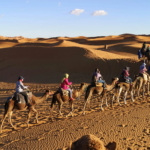
The désert remains visitable in August with proper precautions. Opt for luxury camps with air-conditioned tents and limit camel treks to sunrise or sunset hours for a magical experience. These excursions can provide unforgettable memories of the vast landscape.
A coastal road trip from Tanger to Essaouira offers the perfect August itinerary. This journey combines refreshing ocean breezes with stunning medinas, fishing ports, and beachside relaxation. It’s an ideal way to experience the diverse beauty of the region.
This destination truly shines in August when you embrace the local rhythm. Early starts, afternoon siestas, and late-night dining under the stars create an authentic and comfortable voyage. With thoughtful planning, August can be one of the most rewarding mois to experience Morocco’s diverse landscapes, from Atlantic waves to mountain peaks and everything in between.
Planning a successful summer trip requires thoughtful consideration of the local conditions and a strategic approach to choosing your destinations. The key to a fantastic experience lies in matching your itinerary to your heat tolerance. Coastal cities like Essaouira, Agadir, and Asilah offer the most comfortable conditions for heat-sensitive travellers.
If visiting interior gems like Marrakech or Fes is essential, position these stops at the beginning or end of your voyage. Ensure accommodations have excellent air conditioning and pools for a more enjoyable stay. Understanding when to travel within the month can also help; late August often brings subtle cooling compared to the peak heat of early and mid-August.
Flexibility in your itinerary is important. This allows for spontaneous changes if the temperatures become overwhelming or if you discover a delightful coastal spot. Embrace the slower pace, long lunches, and magical evenings that define the Moroccan summer rhythm.
Booking well in advance is essential for this popular destination during the peak month. The country offers remarkable diversity, allowing you to experience vastly different climates in a single trip. Pack lightweight layers, stay well hydrated, and carry sun protection for the abundant sunny days. For excursions, contact the local agency Amodo Tours.
With the right preparation and a spirit of adaptation, August can deliver an unforgettable experience filled with vibrant culture and the unique beauty of this North African gem.

Do not hesitage to give us a call. We are an expert team and we are happy to talk to you.
+212 698‑936726
Amodotomorocco@gmail.com