The Amazigh, or “free people,” are the indigenous inhabitants of North Africa. With an estimated 30 to 40 million speakers, they primarily reside in Morocco and Algeria. Smaller communities can be found in countries like Tunisia, Libya, and Egypt.
This guide invites you to delve into the depth of their traditions and the vibrant stories that have shaped their identity. From ancient roots that trace back over 10,000 years to the modern-day practices, the Amazigh offer a unique perspective on resilience and community.
As you embark on this journey, you will uncover the historical significance of the Amazigh people. You will also learn about their languages, arts, and music that continue to thrive across the region. Expect to gain insights that not only enrich your understanding but also inspire a deep appreciation for this enduring spirit.
Known as the Amazigh, these indigenous inhabitants of North Africa embrace their identity as “free people.” This name, meaning “free people” in the Tamazight language, carries deep cultural significance. It is a self-designation that reflects their rich history and connection to the land.
The term “Amazigh” is more than just a label; it is a proud declaration of identity. In recent years, especially in Morocco, there has been a cultural revival. This movement has led to the recognition of Tamazight as an official language, marking a significant milestone for the Amazigh people and their communities.
You might be surprised to learn that the name “Berber” originates from the Greek word “Barbaros,” which means barbarian. Many within the Amazigh community now reject this term in favor of “Amazigh” or “Imazighen.” This shift illustrates a broader effort to reclaim their identity and heritage.
Across North Africa, the population of Amazigh people is estimated to be between 25 and 36 million. They are united by their use of Berber languages, which belong to the Afroasiatic language family. These languages serve as a cornerstone of their identity and cultural expression.
Different groups within the Amazigh have their own names. For example, the Kabyles refer to themselves as “Leqbayel,” while the Chaoui identify as “Ishawiyen.” This diversity showcases the rich tapestry of identities that exist within the broader Amazigh community.
The modern Berberism movement plays a crucial role in fostering a collective Amazigh identity. It advocates for linguistic rights and cultural recognition, strengthening communities across Morocco, Algeria, and beyond. When engaging with Amazigh people during your travels, you will notice how their identity is deeply tied to language, land, and a shared history.
Morocco is home to an estimated 14 to 20 million Amazigh, while Algeria has between 7 and 13 million. These two nations serve as the heartland of Amazigh culture. Embracing the name Amazigh connects modern people to their prehistoric ancestors, creating a powerful sense of continuity.
As you explore this guide, you will appreciate how identity for the Amazigh is not static. It is a living, evolving expression of freedom, resilience, and pride in their unique heritage.
Inhabiting North Africa for over 10,000 years, the Amazigh people have a rich historical legacy. Their story begins in the Stone Age, where evidence of their existence can be found in ancient cave paintings. One notable site is Tassili n’Ajjer in Algeria, where artworks date back twelve millennia, showcasing their long-standing presence in the region.
During the Neolithic period, from 6000 to 2000 BC, a sophisticated society began to emerge across the Maghreb. This era laid the groundwork for the culture and population that would eventually establish powerful kingdoms, such as Numidia and Mauretania. The development of these early societies was crucial in shaping the history of the Amazigh.
Around 2000 BC, Berber languages began to spread westward from the Nile Valley into the northern Sahara and across the Maghreb. This linguistic migration played a significant role in the cultural landscape of North Africa, influencing the identity of the Amazigh people.
Before the arrival of Islam, the Amazigh practiced various belief systems, including Christianity, Judaism, and Animism. These traditions fostered a deep connection to the land, plants, and animals, which many Amazigh are now experiencing a revival of today.
The Arab conquests in the 7th and 8th centuries marked a pivotal part of their history. This period initiated a long process of Arabization and conversion to Islam, transforming the population and culture of North Africa. Despite these changes, the Amazigh people remained a powerful political force.
From the 7th to the 17th century, Arab migrations accelerated cultural change, yet the Amazigh continued to shape history. Notable dynasties, such as the Almoravids and Almohads, ruled vast territories in North Africa and even extended their influence into the Iberian Peninsula. Their legacy remains a testament to the resilience and strength of the Amazigh people.
Successor dynasties like the Marinids, Zayyanids, and Hafsids continued to govern until the 16th century. This period further illustrated that the Amazigh were not merely passive subjects but active shapers of history. The medieval scholar Ibn Khaldun, writing in the 14th century, described them as “a powerful, formidable, brave and numerous people,” highlighting their significant role in the historical narrative of North Africa.
The indigenous people of North Africa, known as the Amazigh, have a rich connection to their lands. Their geography is a tapestry of stunning landscapes, from the rugged peaks of the Atlas Mountains to the vast Sahara Desert. Each region tells a story of adaptation and resilience.
The Maghreb region serves as the heartland of Amazigh civilization. This area includes Morocco, Algeria, Libya, and parts of Tunisia—a diverse country-sized tapestry where the Amazigh people have thrived for millennia.
In the Atlas Mountains, you will find iconic villages. Life continues much as it has for centuries, with terraced fields clinging to mountain slopes. Stone homes blend seamlessly into the land, showcasing the harmonious relationship between the people and their environment.
The desert regions of North Africa, including the Sahara, are not empty wastelands. Instead, they are vibrant areas where nomadic Amazigh have mastered survival. They move with the seasons across this breathtaking yet harsh land.
Kabylia in Algeria and the Aurès Mountains are renowned as strongholds of Amazigh identity. These places resisted outside rule from Carthaginians to Ottomans, preserving their language and traditions against all odds.
The Low Atlas area around N’Kob is a hidden gem. It is home to 43 kasbahs and a welcoming Amazigh population that invites visitors into a world of ancient architecture and stunning desert-meets-mountains scenery.
Each region of North Africa where Amazigh people live has its distinct character. From the coastal areas near Essaouira to the oasis communities of Egypt’s Siwa, the geography of Amazigh life is incredibly diverse.
The Atlas Mountains serve not just as a physical barrier but as a cultural sanctuary. Here, Amazigh villages have preserved their way of life while the world below changed rapidly.
Traveling through these regions, you will notice how the land shapes Amazigh identity. The mountains offer protection, the desert teaches resilience, and the fertile valleys provide sustenance for the population.
Whether you explore the high passes of the Atlas Mountains or the rolling dunes of the desert, you walk through areas that have been home to the Amazigh since time immemorial—a living geography of their legacy.
Tamazight languages are a vital link connecting the diverse communities across North Africa. These languages belong to the ancient Afroasiatic family and have a rich history that dates back to around 2000 BC. They spread westward from the Nile Valley, influencing the linguistic landscape of the northern Sahara and the Maghreb.
Tamazight is not just one language; it is a tapestry of variants. These include Tarifit, spoken in the Rif Mountains, Tachelhit in the southern regions, and Kabyle in Algeria. Each variant carries unique expressions, poetry, and oral traditions, reflecting the distinct histories of the communities that speak them.
When you hear the Tamazight language in the souks of Marrakech or the villages of the Atlas Mountains, you are listening to a tradition that has thrived for millennia. The ancient Tifinagh script, found in prehistoric inscriptions in the Oran region, remains in use today, especially among the Tuareg people. This script is a living link to the past.
In Morocco, the recognition of Tamazight as an official language alongside Arabic marked a monumental victory for the Amazigh communities. This affirmation has become a cornerstone of national identity and culture, reflecting the ongoing revival of their linguistic heritage.
The revival of the Tamazight language is a passionate part of the broader Amazigh cultural movement. Activists and educators are dedicated to ensuring that this language is taught in schools and spoken proudly by the next generation. Across North Africa, an estimated 30 to 40 million people speak a Tamazight language, making it one of the most significant indigenous language groups on the continent.
Learning even a few words of Tamazight, like “azul” for hello, can open doors and hearts. It shows respect for a culture that has fought hard to preserve its voice. The transmission of the language from elders to children is sacred, ensuring that this ancient tongue continues to thrive in a rapidly changing world.
The social fabric of the Amazigh people is woven through intricate relationships among families, tribes, and communities. This structure has supported their culture through centuries of change across North Africa.
At the heart of Amazigh life is the family unit. Multiple generations often live together or nearby, sharing daily responsibilities. This close-knit arrangement ensures that traditions are passed down with love and care.
Tribal organization plays a vital role in Amazigh society. Each tribe is led by a chief who guides the community. Interestingly, women sometimes serve as tribal leaders, reflecting a more balanced social dynamic than many outsiders expect.
The sense of connection within Amazigh communities is profound. Tribes work together, celebrate together, and support one another, creating a population bound by mutual respect and shared purpose.
Amazigh weddings are a spectacular expression of family and community cohesion. These celebrations span three days, filled with singing, dancing, and feasting, bringing entire villages together in joyous festivities.
During these weddings, the bride is adorned with intricate henna tattoos and elegant attire. Guests present gifts of jewelry or livestock, reinforcing the family bonds that tie the community together.
The role of women in Amazigh society is multifaceted. They are artisans, leaders, and keepers of tradition. Many women drive the preservation of crafts like weaving and pottery that define their culture.
For the Amazigh people, every social gathering strengthens the fabric of community life. Whether it is a market day, a religious festival, or a simple evening of storytelling under the stars, these moments are cherished.
The population of Amazigh communities may be spread across vast distances, from mountain villages to desert camps. Yet, the ties of family and tribe create an unbreakable sense of belonging.
As you interact with Amazigh people during your travels, you will quickly notice how central family and community are to their identity. Their warmth and hospitality make visitors feel like part of the extended family.
For the Amazigh, every tradition is a vibrant expression of their identity and heritage. Their cultural practices are a colorful tapestry of festivals, rituals, and customs that infuse daily life with meaning.
One of the most thrilling traditions is the Festival of Fantasia, also known as the Game of Gunpowder. Here, skilled horsemen charge in unison, firing rifles into the air. This breathtaking display showcases the spirit of Amazigh culture.
The Festival of Marriage is another cornerstone of their traditions. This multi-day celebration transforms villages into stages for music, dance, and feasting. It showcases the joy at the heart of community life.
During weddings, the bride takes center stage, adorned in elegant attire and embellished with henna tattoos. These tattoos represent a cherished form of body art, primarily found on the faces, hands, and ankles of women. The designs embody values like strength, wisdom, and beauty.
Hospitality is a treasured tradition among the Amazigh. When visiting a home, you will experience the ceremonial serving of mint tea. Guests are treated as honored members of the family, reflecting the warmth of their culture.
The Rose Valley festival in May is a fragrant celebration tied to the land. Communities come together to harvest damask roses for perfumes and lotions, creating a burst of color and scent.
Daily customs, from baking bread in communal ovens to weaving intricate patterns into rugs, are all part of a living heritage. These practices make the Amazigh culture so fascinating to discover.
For the Amazigh people, traditions are not relics of the past. They are a dynamic part of contemporary life, evolving while remaining rooted in community values, respect, and connection to nature.
Participating in or observing these traditions offers a window into the soul of Amazigh culture. Every gesture, song, and pattern carries layers of meaning waiting to be understood.
The preservation of these traditions is a testament to the resilience of the Amazigh people. They have maintained their cultural identity through centuries of change, celebrating it with pride.
Creativity flows through the hands of Amazigh women, showcasing their deep-rooted cultural expressions. The arts and crafts of these people are a dazzling reflection of their vibrant traditions. Weaving, pottery, and jewelry making are essential parts of their artistic legacy, passed down through countless generations.
When you admire a rug crafted by Amazigh artisans, you see more than just a functional item. Each pattern and color tells a story, serving as a language of symbols. These designs often reflect religious beliefs, protection from evil, and the beauty of the natural world.
Women artisans play a crucial role in preserving their cultural identity. They transform wool, clay, and silver into stunning objects that represent their tribe and region. The vibrant woven blankets and rugs of the Amazigh are celebrated worldwide for their craftsmanship. Each piece tells a story through geometric designs unique to its area.
Pottery is another vital aspect of their artistic traditions. Women shape clay into tagine dishes, water jugs, and decorative items that blend practicality with beauty. Berber jewelry, often made from silver and adorned with coral or amber, expresses beauty and status. Each piece carries symbolic meanings related to fertility, protection, and tribal identity.
As you travel through Morocco, you will begin to recognize the distinct artistic styles of different Amazigh communities. The bold patterns of the Rif, the intricate silverwork of the south, and the colorful textiles of the Atlas Mountains all tell unique stories.
The arts are not just a part of their culture; they serve as a living economic and social force. Cooperatives of women artisans empower themselves through the sale of their crafts in local souks and international markets. Purchasing authentic Amazigh crafts directly from artisans supports the preservation of these traditions while bringing home a piece of beauty that carries real meaning.
The creativity of the Amazigh people is a testament to their resilience and ingenuity. They turn everyday materials into extraordinary works of art that continue to inspire and captivate.
For the Amazigh, music and dance are not just art forms; they are essential elements of their vibrant identity. These traditions serve as a powerful force that unites communities and transforms gatherings into celebrations of life.
Drums and flutes are the quintessential instruments of the Amazigh people. Their rhythms echo through the Atlas Mountains and across the desert, creating an infectious energy that is impossible to resist. Every time you hear this music at a wedding, festival, or market, you experience a tradition passed down orally for millennia.
The experience of live music is something every traveler should seek out. The combination of pounding drums, wailing flutes, and communal dancing immerses you in the soul of this ancient culture. Music is not just entertainment; it plays a vital role in rituals and ceremonies, from the Festival of Fantasia to three-day wedding celebrations filled with joy.
Rhythms vary by region, with each tribe contributing its unique style. Yet, all share a common thread of passionate expression that defines the musical traditions of the Amazigh people. When you witness a performance, you will notice how everyone participates, blurring the line between performer and audience.
The infectious sounds of Amazigh music have influenced artists worldwide. However, the most authentic experience remains in the villages and desert camps, where music is a natural part of daily life. For the Amazigh, music preserves history, expresses emotion, and strengthens community bonds.
As you travel through Amazigh regions, keep your ears open for the sound of drums and flutes. You never know when you might stumble upon an impromptu performance that becomes the highlight of your trip.
The culinary landscape of North Africa offers a rich tapestry of flavors and traditions that reflect the identity of its people. To truly experience this heritage, one must explore it through cuisine, where every dish tells a story of the land and centuries of culinary wisdom.
The tagine is the undisputed star of food in this region. This slow-cooked masterpiece is named after the distinctive terracotta dish with a conical lid. This lid traps steam, infusing every ingredient with deep, aromatic flavor. When you lift the lid of a tagine, a cloud of fragrant steam escapes, revealing a dish that might contain tender lamb, chicken, or vegetables, all simmered with spices that are more fragrant than spicy.
Couscous is another staple food, a versatile dish of steamed semolina grains served with vegetables, meat, and broth. It embodies the warmth of hospitality at every meal. The experience of sharing a meal is about more than just food; it is a ritual of connection. Families and guests gather around a communal dish, eating with their hands and savoring the moment.
Berber cuisine reflects the geography of North Africa. Ingredients are sourced from mountain gardens, desert oases, and coastal waters, creating a diverse food culture that varies from region to region. Every day in a Berber home involves preparing fresh, flavorful food. From baking bread in communal ovens to simmering tagines over charcoal, the air fills with irresistible aromas.
The spices used in cooking—cumin, saffron, ginger, and cinnamon—testify to the culture’s position at the crossroads of ancient trade routes. This blend of influences creates a uniquely rich culinary identity. For travelers, the affordability of Berber food is a delightful surprise. A hearty tagine or a plate of couscous costs just a few euros, making it easy to eat like a local while exploring the country.
Whether dining in a riad in Marrakech or sharing a meal in a desert camp under the stars, Berber cuisine is an essential part of the journey. It offers a delicious window into the soul of this captivating culture.
In a rapidly changing world, the Amazigh strive to preserve their unique way of life. This modern existence is a fascinating blend of ancient traditions and contemporary realities. The Amazigh cultural revival is one of the most inspiring movements in North Africa today. Activists, artists, and everyday people work tirelessly to ensure that their identity not only survives but thrives in the 21st century.
In Morocco, the official recognition of Tamazight as a national language was a landmark victory. This achievement affirmed the place of the Amazigh people in the country’s identity after years of advocacy. The lives of the Amazigh people today vary widely. Some maintain a nomadic lifestyle in the Sahara desert, herding camels and living in tents. Others pursue careers in bustling cities like Marrakech and Algiers.
Technology and social media have become powerful tools for the Amazigh cultural movement. Young Amazigh can connect across borders, share their heritage, and challenge stereotypes about their people. Balancing tradition with modernity is a central part of modern Amazigh life. Families decide which customs to preserve unchanged and which to adapt for a new time and world.
Berber youth are at the forefront of this cultural renaissance. They proudly wear Amazigh symbols, learn Tamazight, and create music and art that bridges the gap between past and future. Despite the pressures of globalization, the Amazigh continue to find innovative ways to keep their culture alive. Language apps and cultural festivals attract visitors from around the world.
The resilience of Amazigh culture in the face of centuries of change is a testament to their strength. They have always valued their identity, land, and connection to their ancestors. As you witness modern Amazigh life during your travels, you will be struck by the vibrant energy of a culture that is not frozen in time. Instead, it is dynamically evolving while staying true to its roots.
Engaging with the Amazigh people offers travelers a unique opportunity to immerse themselves in their rich traditions. This interaction is one of the most rewarding parts of any journey through North Africa. Genuine and respectful engagement with the Amazigh people is the best way to truly experience their lives.
Hiring a local guide can transform your trip from a simple sightseeing tour into a deep cultural experience. Guides like Mohammed from Morocco Sahara Adventures share stories of nomadic lives and the true meaning of Amazigh identity. They actively support associations that preserve the culture and provide assistance to nomadic populations.
The Amazigh are known for their warmth and hospitality. They will be as curious about your life as you are about theirs. This creates a beautiful connection that transcends language and cultural barriers. Every day spent in a village or desert camp offers new experiences. You might learn to bake traditional bread, share mint tea with a family, or listen to elders recount ancient tales under the stars.
Traveling through Amazigh regions is not just about the destinations but the journey itself. The way you engage with people along the road becomes the most memorable part of your adventure. For a truly immersive experience, consider spending more than a day in one place. This allows time to build relationships and understand the rhythms of daily life in these communities.
Practical travel tips include renting a car for flexibility and staying in riads for an authentic experience. Always approach people with respect and an open heart. The connection you forge with the Amazigh during your trip will likely be the highlight of your journey. It offers insights into a way of life that is both ancient and vibrantly alive.
Safety in Amazigh regions of North Africa is generally excellent. The main risk is minor overcharging in markets, which is a small price to pay for the richness of the experience. As you plan your travel, remember that the most meaningful experiences come not from checking off sights but from the time spent sitting, listening, and sharing moments with the Amazigh people who call this land home.
North Africa is home to vibrant cities that embody the spirit of the Amazigh people. These urban centers serve as cultural hubs where ancient traditions meet modern life. Each city offers a unique window into the diverse world of Amazigh life.
Marrakech stands as the beating heart of Amazigh country. The chaos and color of Jamaa El Fna square have made it a crossroads for traders and travelers since the days of great caravans crossing the Atlas Mountains. The Majorelle Gardens, with their stunning architecture and vibrant colors, are a must-see.
In Fes, you will find what many consider the most beautiful medina in all of North Africa. This labyrinthine city is filled with artisans, tanneries, and madrasas, pulsating with the spirit of Amazigh craftsmanship and history.
Meknes often surprises visitors with its welcoming people and precious medina. It offers a more relaxed experience of urban Amazigh life without the intensity found in larger cities.
Chefchaouen, the famous blue city nestled in the Rif Mountains, is populated almost exclusively by Amazigh people. This place of extraordinary beauty features walls and staircases painted in stunning shades of cerulean.
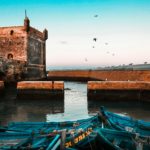
Essaouira, located on the Atlantic coast, blends Amazigh traditions with coastal influences. Its wind-swept beaches and whitewashed medina attract surfers and artists from around the globe.
Agadir may lack the postcard charm of other cities, but it provides a glimpse into real modern Amazigh life. As a university city, it has a laid-back atmosphere with deep local roots.
Ouarzazate, known as the Hollywood of North Africa, is where Amazigh culture meets the silver screen. Film studios and the nearby kasbah of Ait Ben Haddou draw movie buffs and culture lovers alike.
Each of these cities serves as a gateway to surrounding Amazigh regions. They make perfect bases for exploring the mountains, deserts, and villages that define the heartland of the Amazigh people. As you wander through the souks, squares, and medinas, you will feel the enduring presence of Amazigh culture in the architecture, crafts, and warm smiles of the people who call these places home.
Traveling through the stunning landscapes of North Africa reveals the incredible beauty of the Atlas Mountains and the Sahara Desert. This journey is filled with spectacular views, where every turn uncovers new wonders shaped by nature and local traditions.
The Atlas Mountains offer world-class trekking opportunities. From the snow-capped peaks of the High Atlas to the dramatic canyons of the Low Atlas around N’Kob, this region rivals the American Grand Canyon in breathtaking beauty. The village of N’Kob, known for its 43 kasbahs, is a hidden gem and a candidate for UNESCO World Heritage status.
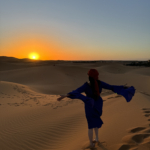
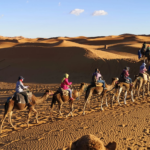
In the Sahara Desert, the dunes of Merzouga rise like golden waves, offering the quintessential desert experience. Here, you can enjoy camel treks, starry nights, and the profound silence of the sands. The experience of watching the sun rise over these dunes is unforgettable.
The Draa Valley is a lush ribbon of life cutting through the desert. Palm groves and date plantations line the road of a thousand kasbahs, creating a journey through both landscape and history. Ait Ben Haddou, the most famous kasbah in the country, has served as the backdrop for countless films, showcasing Berber architectural genius.
Traveling in these regions requires some planning. Winter passes in the Atlas Mountains can be blocked by snow, while desert tracks demand experienced drivers. Having a local guide is invaluable for a safe and enriching trip.
A multi-day tour through these regions is the best way to absorb the scale and beauty of the land. It allows time to hike through mountains, sleep in desert camps, and connect with the Berber people who call these areas home. Whether you choose a day excursion or an extended tour, this adventure reveals the soul of North Africa in all its rugged, timeless beauty.
Embarking on a journey through North Africa reveals the vibrant lifestyle of the Amazigh people. Berber culture tours offer immersive experiences that take you deep into the heart of their life. These adventures combine cultural exchange, breathtaking landscapes, and unforgettable memories.
A 6-day surf and Berber culture tour lets you ride the waves of the Atlantic Ocean by day. At night, you can explore villages in the Atlas Mountains. You will learn to bake traditional bread and discover the secrets of Moroccan cooking from the Amazigh people.
For those drawn to the desert, a 5-day nomadic Sahara tour is the perfect journey. This trip takes you from the sweeping dunes of Erg Chebbi to ancient kasbahs and bustling souks. Guided by the Amazigh, you will hear their stories and traditions, making for a rich experience.
These tours are designed to give you more than just a trip. They offer a genuine experience of Amazigh life, with time built in for meaningful interactions and hands-on activities. You will have moments of quiet wonder under the desert stars.
Choosing the right tour depends on your travel style. Whether you crave the adrenaline of surfing and mountain trekking or the contemplative beauty of a desert journey, there is a perfect option for you.
A knowledgeable guide like Mohammed from Morocco Sahara Adventures can transform your tour into a deeply personal experience. He shares insights into nomadic life and the efforts to preserve the culture for future generations.
Each day of these tours is carefully crafted to balance adventure with cultural immersion. You will return home with not just photographs but a profound connection to the Amazigh people and their way of life.
The Atlas Mountains feature prominently in many tours, offering hiking opportunities through stunning landscapes dotted with Berber villages. Whether you have a few days or a week, there is a tour that fits your schedule.
Investing in a guided tour is one of the best ways to ensure your trip supports local communities. Many tour operators actively contribute to preserving Amazigh culture and supporting nomadic populations.
The architecture of the Amazigh people reflects their deep connection to the land and environment. Structures built by these people showcase a unique blend of functionality and aesthetic beauty. From desert kasbahs to mountain homes, their designs tell stories of adaptation and resilience.
Kasbahs are the iconic fortresses of Amazigh architecture. Built from mud and straw, they withstand the harsh desert climate. The village of N’Kob, with its 43 kasbahs, serves as a living museum of this ancient building tradition.
Ait Ben Haddou stands as the crown jewel of Amazigh architecture. This UNESCO World Heritage site features towering mud-brick walls that have starred in countless films. It is a testament to the ingenuity of Amazigh builders over the years.
Berber homes are masterpieces of climate-adaptive design. Thick walls keep interiors cool in summer and warm in winter, reflecting a deep understanding of the land that has been refined over thousands of years. The beauty of Amazigh architecture extends to the riads found in medinas across North Africa.
These riads often feature central courtyards with fountains and gardens, creating tranquil havens that blend Berber, Arab, and Andalusian influences. In villages throughout the Atlas Mountains, the architecture is characterized by terraced homes that seem to grow organically from the mountainside.
Women play a significant role in the decoration of Amazigh homes. They adorn walls with intricate patterns and textiles, adding warmth and beauty to the functional architecture. The influence of Amazigh architecture can be seen across the region, from modern riads restored by Europeans to the earthy aesthetic that defines much of Moroccan architectural identity.
Over the years, Amazigh architecture has proven remarkably sustainable. Traditional building techniques offer lessons in eco-friendly design that are increasingly relevant today. Visiting a kasbah or staying in a restored riad connects you to the architectural genius of a people who have always known how to create beauty and comfort in even the most challenging environments.
The Amazigh people have shown remarkable resilience, maintaining their identity and traditions through centuries of change. This enduring legacy is vital, especially in today’s interconnected world.
Heritage is not just significant for the Amazigh; it resonates with all humanity. It embodies values of community, connection to the land, and ancestral wisdom, which are increasingly rare.
The term “Amazigh,” meaning “free people,” reflects a culture that cherishes dignity and the right to live according to their traditions. Travelers can support these communities by hiring local guides or purchasing crafts from cooperatives.
Every interaction with the Amazigh fosters a lasting connection, inspiring appreciation for a life in harmony with nature. From the Sahara’s desert camps to the Atlas mountain villages, their spirit thrives.
As you return home, carry with you not just memories but a responsibility to advocate for respect and recognition of the Amazigh people. Their legacy is a living force that enriches lives across North Africa and beyond.
Do not hesitage to give us a call. We are an expert team and we are happy to talk to you.
+212 698‑936726
Amodotomorocco@gmail.com